
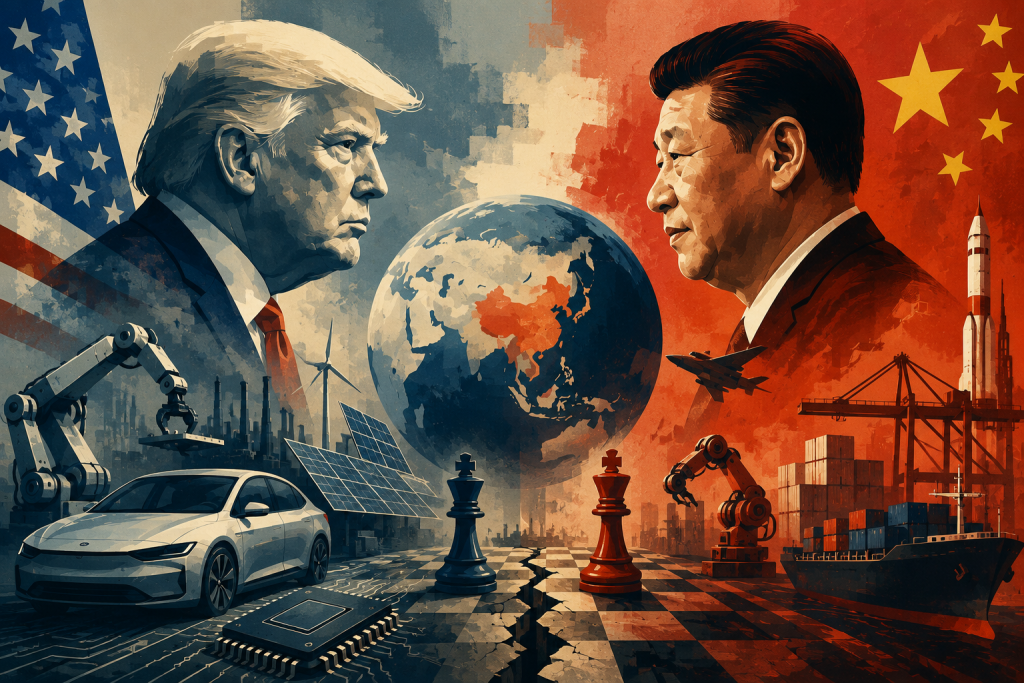
A preview of the Trump 2.0 and the New Cold War Webinar on May 3, 2026.
Transcript edited for print.
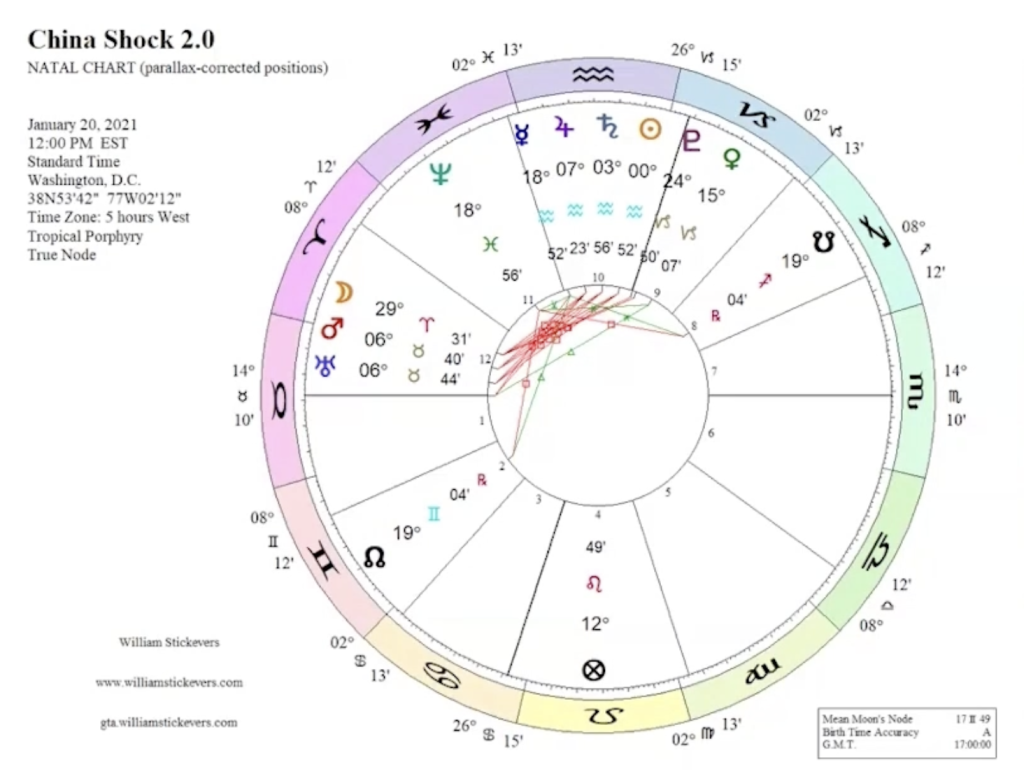
The second China shock is what brings this all to a head.
We had the first China shock at the outset of the Great Recession, which started in December of 2007 and culminated in the Lehman shock and the near-global financial meltdown that peaked between September and November of 2008.
China Shock 2.0 is not about cheap toys, textiles, or low-end assembly and manufacturing anymore.
China Shock 2.0 is about electric vehicles, batteries, solar panels, robotics, industrial equipment, semiconductors, and advanced manufacturing. This wave threatens the commanding heights of the 21st-century economy. That is why the West is no longer debating free trade in the old language.
It is debating industrial survival, technological sovereignty, and strategic resilience.
From Manufacturing Competition to Industrial Survival
China Shock 1.0 hollowed out American factories and factories across Europe as well. China Shock 2.0, during the Biden administration, threatened the future of the entire Western industrial and technological base. That is why Trump 2.0 returns to tariffs, pressure, coercion, and renegotiation.
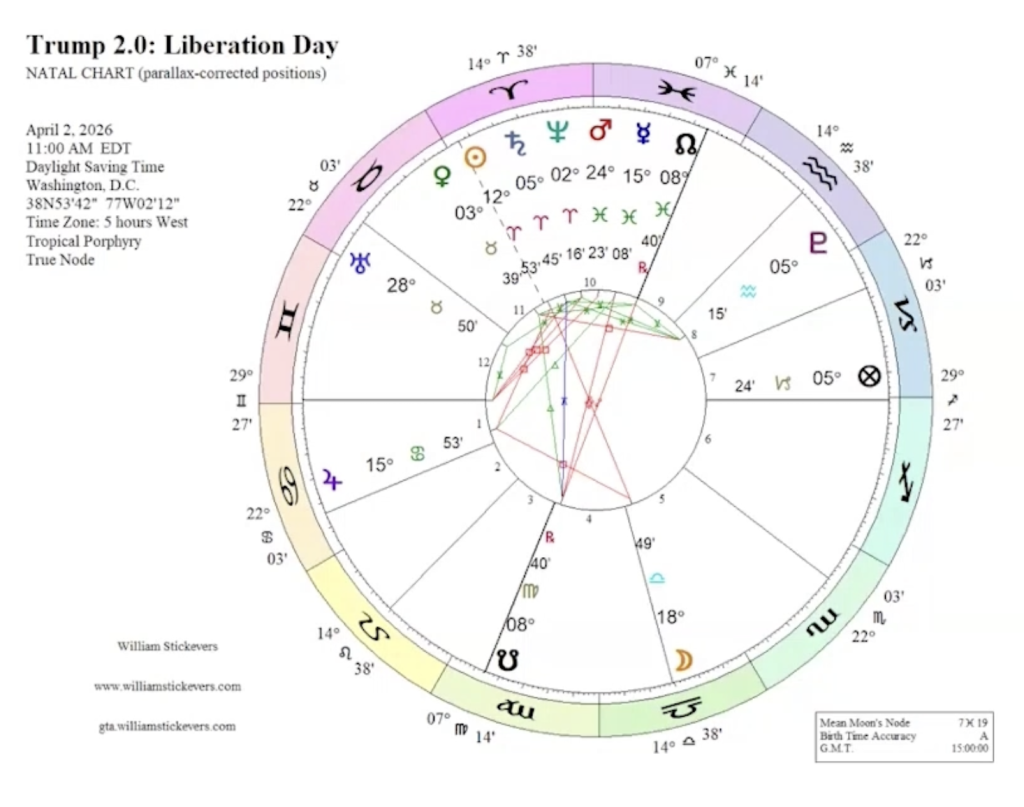
Trump 2.0 does not enter the China conflict as a blank slate. He enters with a known method: tariffs, leverage, pressure, disruption, and renegotiation. But the target is no longer only the trade imbalance. The target is China’s strategic trajectory.
Tariffs become more than taxes on imports. They become tools of industrial policy, alliance pressure, and geopolitical signaling.
Trump’s method is crude to some and effective to many others. Strategically, it has one purpose: to force a major renegotiation before China’s position hardens.
Why This Is Not a Repeat of 2018
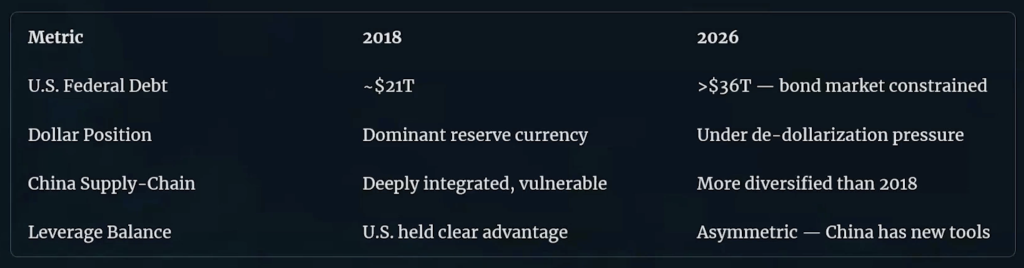
But this is not simply a replay of the first trade war that broke out in 2018. This is not 2018 again. The United States enters this round with much higher debt, a more sensitive bond market, and a dollar system facing more visible challenges.
China enters this round more prepared, more diversified, and more willing to use asymmetric leverage.
The leverage balance is no longer simple. The United States still has enormous power, but China now has tools: rare earth metals, supply chain choke points, energy relationships, currency channels, and alignment with other anti-U.S. powers such as Russia and North Korea.
This makes escalation harder to control.
Why Iran Matters in the U.S.-China Strategic Contest
One of the most important of those alignments is China’s relationship with Iran. On March 27, 2021, the Iran-China relationship became formalized.
The Iran-China relationship matters because it connects energy, sanctions, infrastructure, and anti-U.S. alignment.
China needs secure energy flows. Iran needs capital, technology, diplomatic cover, and military production. Together, they create a pressure point in the larger contest with Washington.
When we discuss Iran, we are not only discussing a Middle East issue. We are discussing China’s energy security, U.S. sanctions power, and the architecture of a rival bloc.
Iran is not the whole game, but it is a critical node on the board.
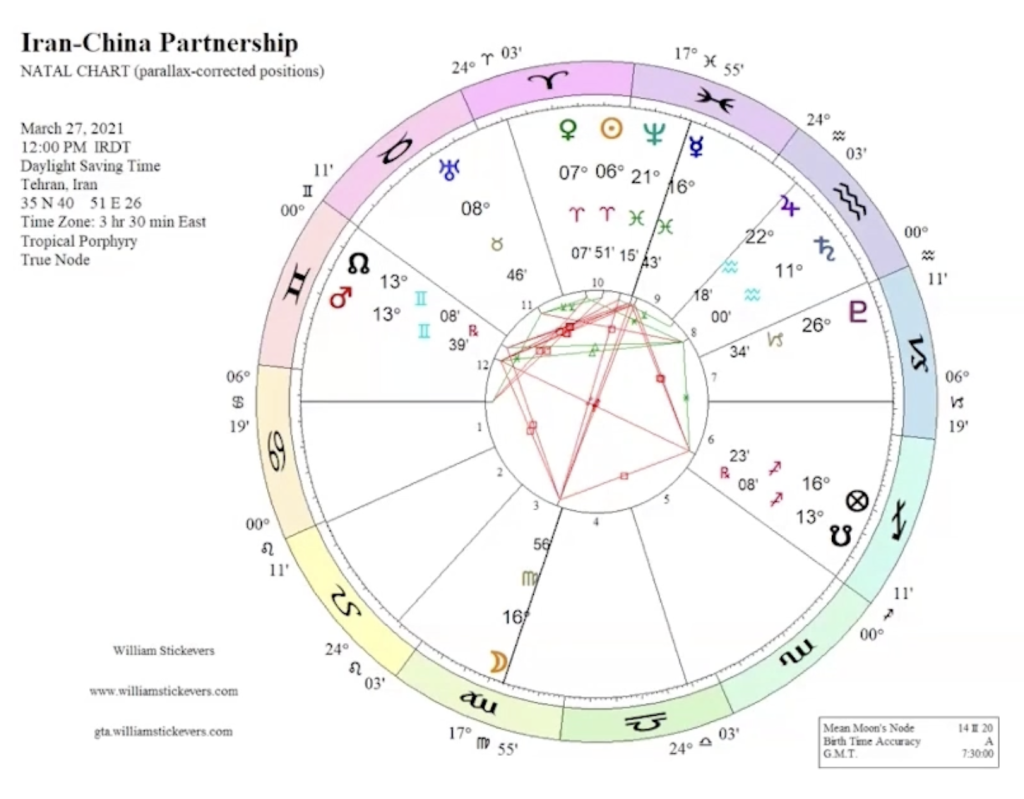
Taiwan, 2027, and the Difference Between Readiness and Intent
That matters because Taiwan is the flashpoint everyone watches.
This is the key distinction: readiness is not intent.
Former CIA Director William Burns stated that Xi Jinping instructed the People’s Liberation Army (PLA) to be ready by 2027 for a Taiwan contingency.
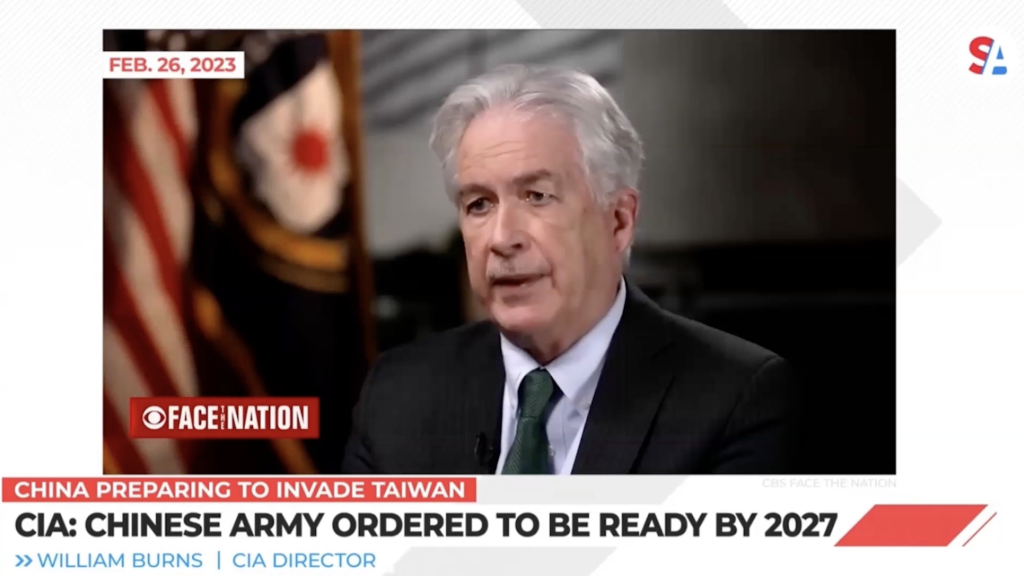
That does not mean Beijing has decided to invade Taiwan. It does mean the option is being built into its military infrastructure. When a military option becomes operationally available, it changes the psychology of decision-making.
Leaders begin to ask not only, “Should we act?” but also, “When does our window close?”
That brings us to the formal modernization deadline.
By 2027, the PLA will reach its 100th anniversary. Beijing’s goal is not symbolic pageantry. It is operational capability: the ability to win regional wars and impose a strategic outcome in a Taiwan crisis.
That makes 2027 a readiness marker, not an invasion forecast.
This distinction is essential. The base case is not invasion, per se. The base case is intensifying rivalry. But 2027 becomes the year when capability, pressure, and timing converge.
For nearly four decades, William Stickevers has empowered business leaders, independent thinkers, and visionaries to navigate global shifts and critical turning points with clarity and confidence. His unique blend of astrological techniques, macroeconomic insights, and strategic forecasting equips clients to stay ahead of the curve and thrive in uncertain times. Discover how William’s in-depth forecasts, programs, and astrological consultations can help you make more confident, well-timed decisions, and recognize opportunities others overlook. Visit williamstickevers.com for your strategic advantage in business, finances, and life.
Watch the Full Trump 2.0 and the New Cold War Webinar
A trends forecaster, William’s annual global forecasts are backed by a deep study of economies, geopolitics, archetypal cosmology, and modern astrological forecasting techniques. William’s predictions for the outcome of the U.S. Midterm and Presidential Elections are well documented on his blog.
William Stickevers is a strategic astrological advisor, advising clients from 28 countries for nearly four decades with strategy and cosmic insight and foresight to gain an asymmetrical advantage in their investing, business planning and decisions, and to live a more fulfilled life according to their soul’s code and calling.
William has been a regular guest on Coast to Coast AM with George Noory and The Jerry Wills Show, and featured on The Unexplained with Howard Hughes, Beyond Reality Radio with Jason Hawes and JV Johnson, We Don’t Die Radio with Sandra Champlain, Supernatural Girlz, Paranormal Podcast, Alan Steinfeld’s New Realities, and Richard Syrett’s Strange Planet. An international speaker, William has lectured at the New York Open Center, Edgar Cayce’s Association for Research and Enlightenment (A.R.E.), two Funai Media events in Tokyo, Japan, the United Astrology Conference (2018), for the National Council for Geocosmic Research (NYC, Long Island, New Jersey, Milwaukee, San Francisco chapters), American Federation of Astrologers (Los Angeles), the Astrological Society of Connecticut, the San Francisco Astrological Society, and in Europe (Munich and Bucharest) and Japan (Tokyo, Osaka, Yokohama).
More information on Programs, Consultations and Forecast Webinars are at his website www.williamstickevers.com.
