
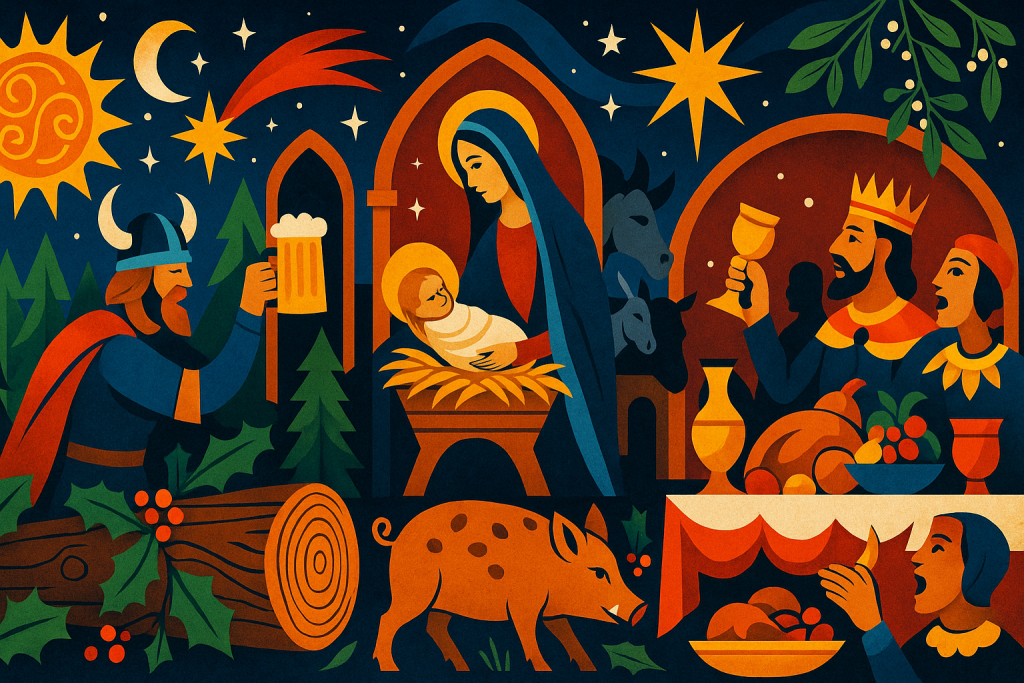
Following the formal establishment of December 25 as the Nativity celebration in the 4th century, Christmas began to spread outward from the Roman world, carried by theological developments, imperial politics, and the slow Christianization of Europe. What emerged over the next millennium was a richly layered festival—part sacred observance, part seasonal rite—absorbing pre-Christian traditions, reshaping communal life, and becoming one of the most significant celebrations in the medieval calendar.
This period marks the transformation of Christmas from a localized Roman feast into a continent-wide cultural and religious institution.
The Celebration of Christmas – From Rome to Constantinople
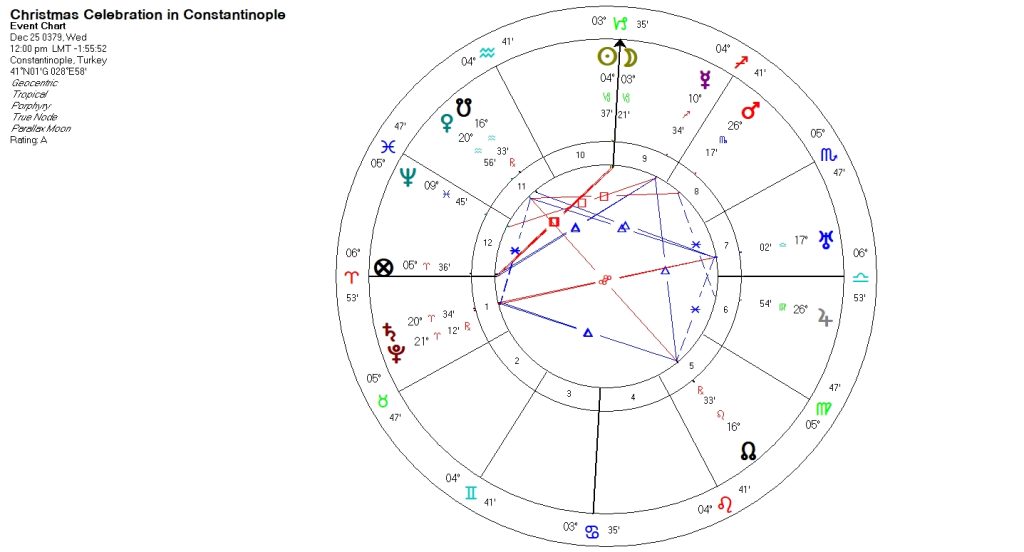
The celebration of Christmas spread over the next several centuries throughout the Roman Empire, extending from the Western capital of Rome to the Eastern capital of Constantinople, which acted as a gateway between East and West. Christmas was promoted in the Christian East as part of the revival of Nicene Christianity following the death of the pro-Arian Western Roman Emperor Valens at the Battle of Adrianople in 378.
Christmas festivities were introduced in the Eastern Roman Empire at Constantinople in 379 A.D., and at Antioch around 380 A.D. After the collapse of the Western Roman Empire in 411 A.D., the celebration of Christmas ceased for the remainder of the 5th century. During the Dark Age (500–800 A.D.), Christmas Day was overshadowed by the Feast of the Epiphany (January 6), which focused on the visit of the Magi. However, the medieval church calendar was dominated by Christmas-related observances.
Increasing Prominence of Christmas Day
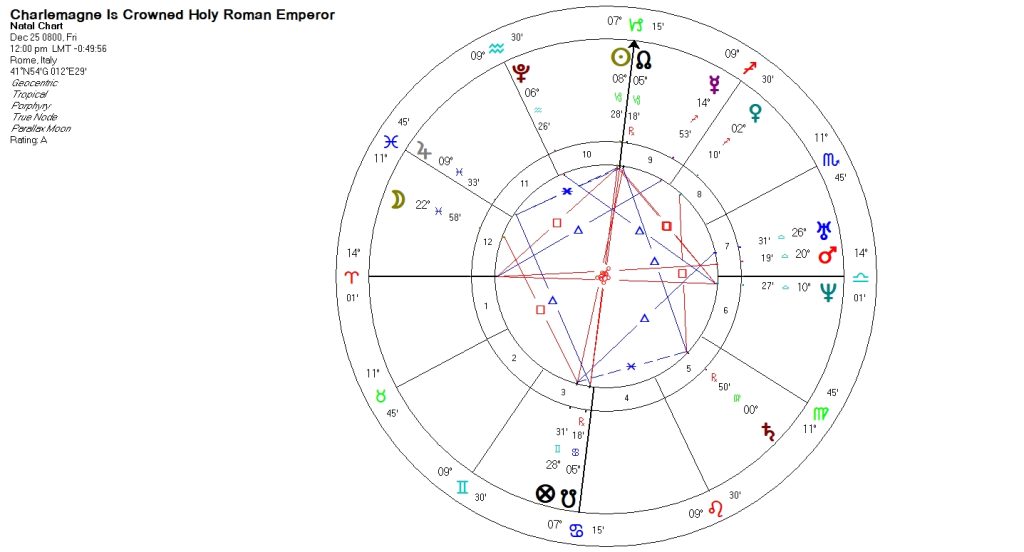
The prominence of Christmas Day increased gradually with pivotal historical moments. When Charlemagne was crowned Holy Roman Emperor by the Pope on Christmas Day in 800, it marked the transition from the Dark Age (410–800) into the Early Middle Ages (800–1066).
Later, William the Conqueror, the first King of England, was crowned on Christmas Day in 1066, marking the transition from the Early Middle Ages to the High Middle Ages (1066–1307). By tying key political events to Christmas, medieval rulers reinforced the day’s symbolic weight and wove the Nativity into the fabric of European monarchy.
Early Middle Age – Charlemagne Is Crowned Holy Roman Emperor
Christianization of Europe
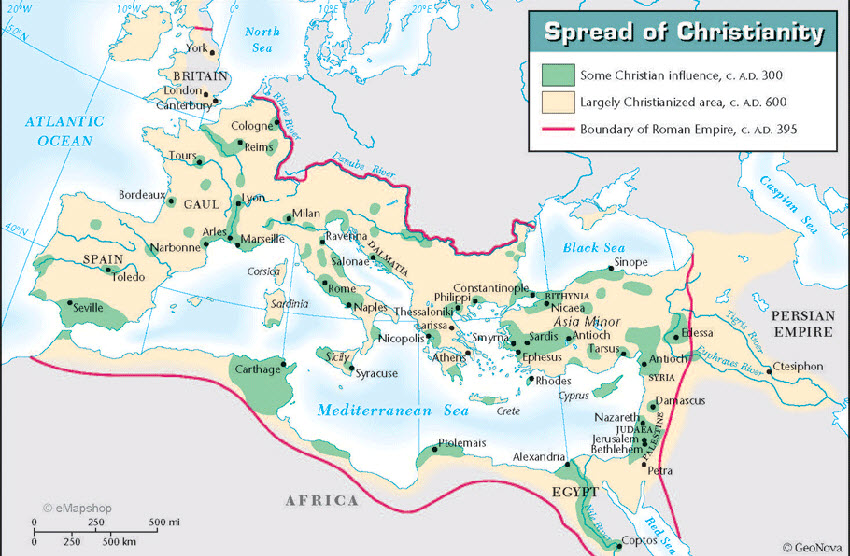
After the disintegration of the Western Roman Empire in 476 A.D., the Christianization of the Germanic peoples accelerated. Many customs associated with Christmas developed independently of the celebration of Jesus’ birth, originating in pre-Christian winter festivals celebrated during the solstice by pagan populations throughout Europe. These traditions were gradually integrated into Christian practice as conversions spread from 300–600 A.D.
English historian Bede’s Historia ecclesiastica gentis Anglorum contains a letter from Pope Gregory I (590–604) to Saint Mellitus, then en route to England to conduct missionary work among the pagan Anglo-Saxons. Gregory advised missionary leaders not to abolish pagan customs outright, but to repurpose their outward forms toward Christian worship:
“To the end that, whilst some gratifications are outwardly permitted them, they may the more easily consent to the inward consolations of the grace of God.”
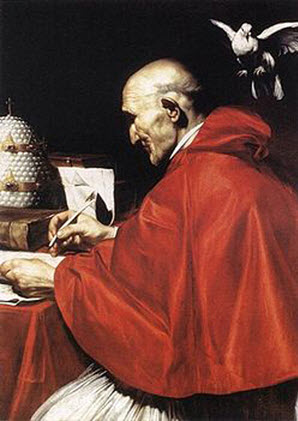
This strategy of reinterpretation rather than suppression became a hallmark of medieval Christianization.
Christmastide
In 567, the Council of Tours in central France proclaimed that the entire period between Christmas and Epiphany should be considered part of the festive celebration commemorating Jesus’ birth, formally establishing the twelve days of Christmas.
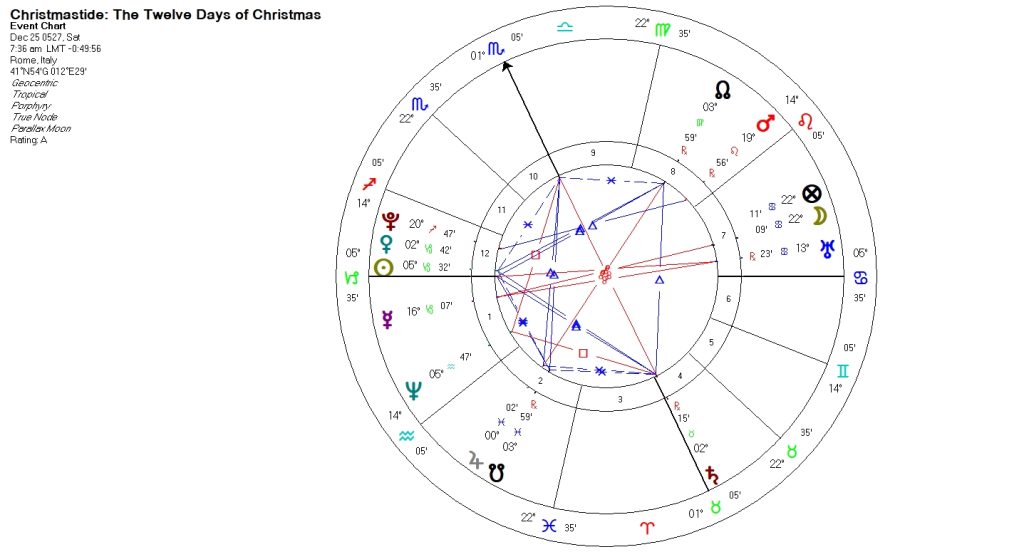
After Christianity became fully embraced in Northern Europe by the 11th century, Yule underwent a Christianized reformulation, becoming Christmastide. Christmastide began at sunrise on December 25 and lasted 12 days, through January 5, with the final night called Twelfth Night, marking the visit of the Magi.
Yuletide
Yule, or Yuletide, was an ancient pagan twelve-day festival beginning on the Winter Solstice, the longest night of the year. Among the Germanic peoples, Yule involved drinking, singing, hunting, exchanging gifts, and performing sacrificial rites.
Goods and animals—including horses—were sacrificed to the gods in order to conquer the winter darkness. Toasts were given:
- the first to Odin, for victory and power to the king
- the second to Njörðr and Freyr, for harvests and peace
- the third to the king
- and additional toasts to ancestors and departed kin
Roman missionaries found it more effective to reinterpret Yule than to forbid it. By the 12th century, Yule had become fully absorbed into the Christian festival cycle as Christmastide.
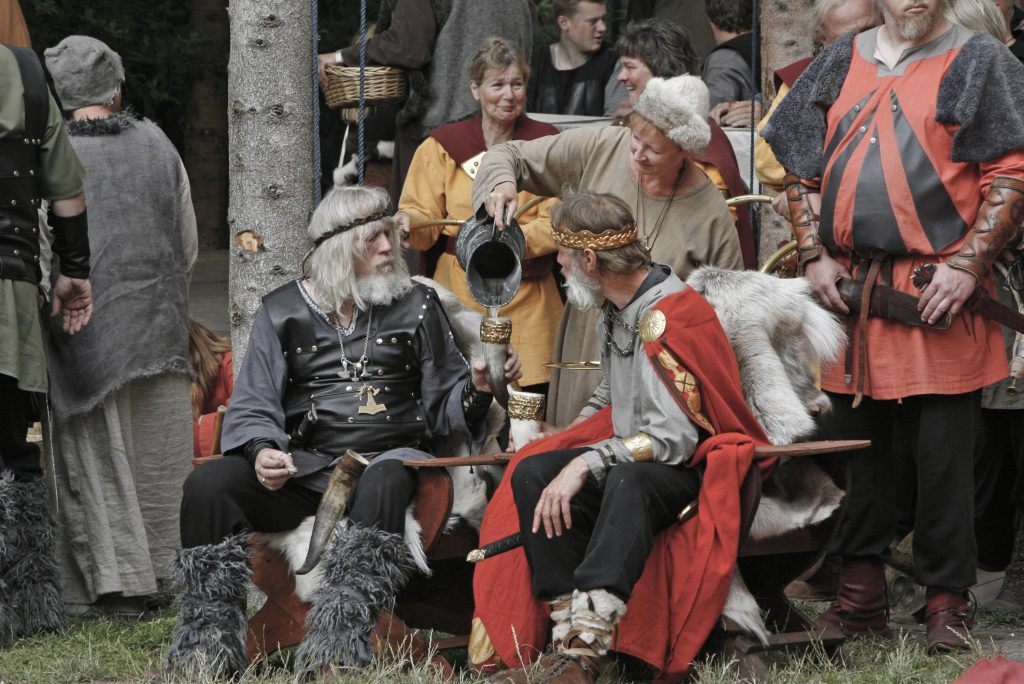
The Yule Log and Other Yule Customs
Among the most enduring Yule traditions was the Yule Log, a massive log selected to burn through all twelve days of Christmas. In some regions, especially Northern Spain and Southern France, the Yule Log was believed to possess magical properties. By medieval times, it had become one of the most widespread Christmas traditions in Europe.
Other customs adopted from Yule included:
- decorating with evergreen boughs, holly, and mistletoe
- feasting on boar (ancestor of the Christmas ham tradition)
- drinking rituals and communal celebration
- ceremonial gift-giving
These customs blended seamlessly with Christian symbolism, creating a uniquely medieval fusion of old and new.
Christmas in the High and Late Middle Ages
By the High Middle Ages (962–1307), Christmas in Europe had grown so prominent that chroniclers routinely noted where knights, counts, dukes, princes, and clergy celebrated the holiday.
By the Late Middle Ages (1307–1453), the festival grew even more elaborate. King Richard II of England hosted a grand Christmas feast in 1377, where twenty-eight oxen and three hundred sheep were consumed. The Yule boar was a centerpiece of such feasts.
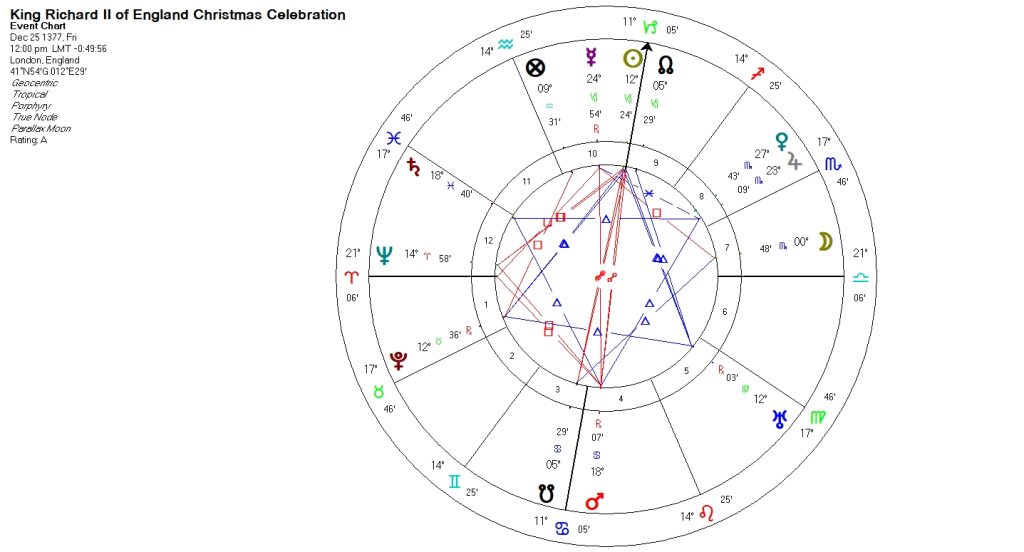
During this period, caroling became popular—groups traveling house to house singing, dancing, and performing. Chroniclers sometimes condemned these carolers as lewd and disorderly, associating the festivities with drunkenness, gambling, promiscuity, and the broader medieval spirit of misrule.
Christmas During the Renaissance (1453–1518)
Christmas in the Renaissance was a public festival overflowing with communal celebration. People decorated with ivy, holly, and evergreen branches, and the Yule Log remained a central tradition. Gift-giving became a social obligation between individuals with formal relationships such as tenant and landlord.
Feasting, dancing, singing, card-playing, dramatic performances, and masques filled the season, especially in England. By the 17th century, Christmas celebrations became even more elaborate.
In 1607, King James I of England insisted on a public nativity play on Christmas night in London’s public square, accompanied by court celebrations and games. This marks the final major cultural moment before the later early-modern traditions that emerge in subsequent centuries.
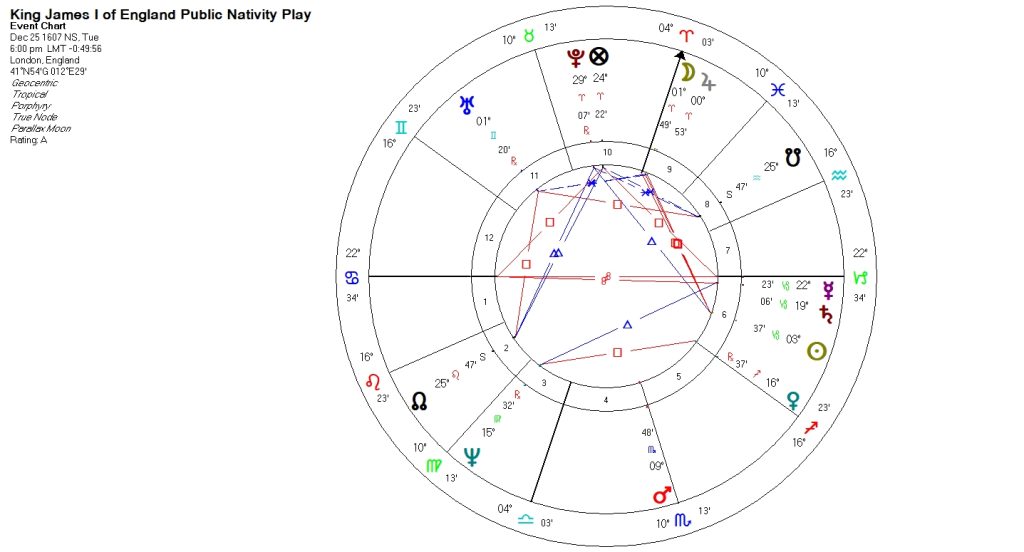
First Christmas Liturgical Chant
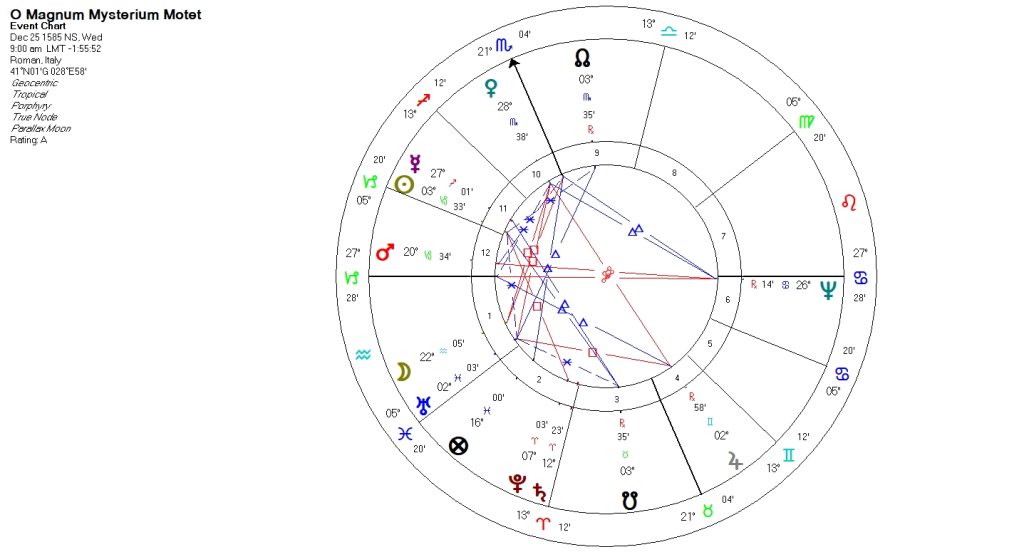
O Magnum Mysterium by Tomás Luis de Victoria
Tomás Luis de Victoria, one of the most significant composers of the Counter-Reformation, wrote a motet based on the ancient responsorial Gregorian chant sung during Matins on Christmas Day. O Magnum Mysterium expresses profound awe at the mystery of the Incarnation, continuing the medieval tradition of contemplative sacred music.
Lyrics:
O magnum mysterium
et admirabile sacramentum,
ut animalia viderent Dominum natum,
jacentem in præsepio.
Beata Virgo, cujus viscera meruerunt
Portare Dominum Jesum Christum.
Alleluia.(O great mystery… Blessed is the Virgin…)
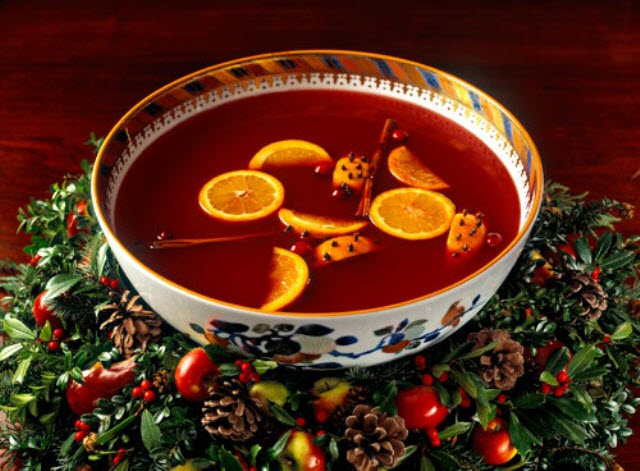
Wassail: A Medieval Yuletide Beverage
Wassail is a traditional hot mulled beverage associated with Yuletide. The word “wassail” derives from the Anglo-Saxon phrase waes hael, meaning “good health.” In the Late Middle Ages, wassailing became a ritualized exchange between peasants and lords on Twelfth Night.
The drink was historically made of hot mulled cider with roasted apples, spices, and sometimes brandy or ale. The frothy pulp of roasted apples gave the mixture the nickname “Lamb’s Wool.”
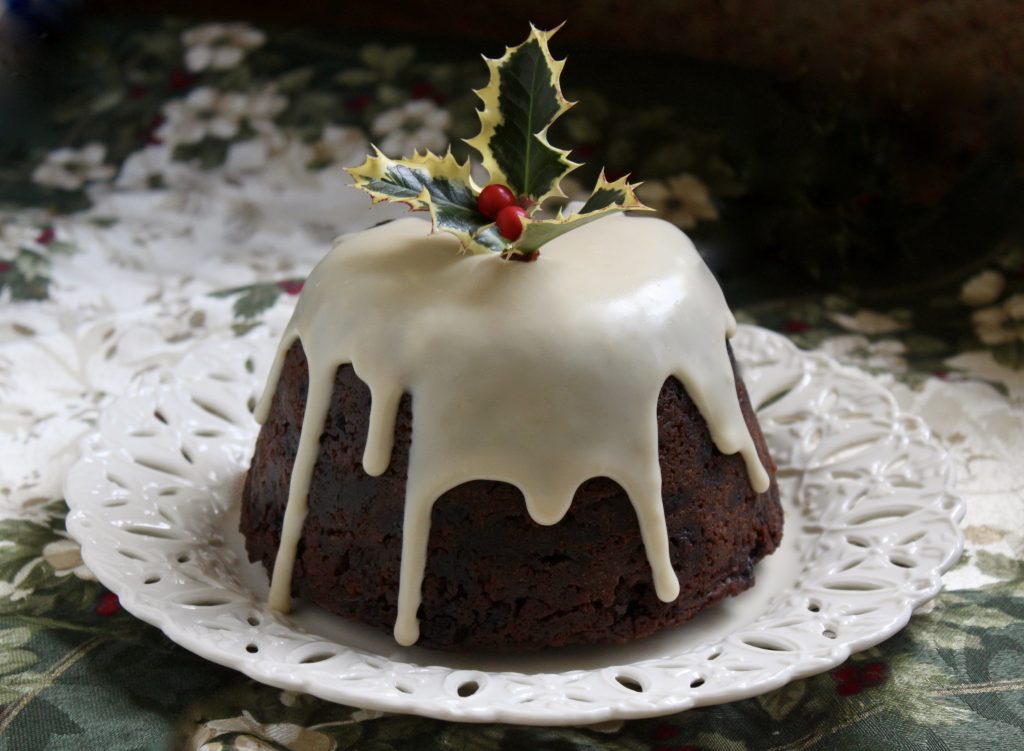
Plum Pudding: The Traditional End to a British Christmas Dinner
Christmas pudding originated from a 14th-century porridge called frumenty made of beef, mutton, dried fruits, wine, and spices. By 1595, frumenty had evolved into a thicker plum pudding enriched with eggs, breadcrumbs, and spirits.
By 1650, it had become the customary Christmas dessert. In 1714, King George I re-established it as part of the royal Christmas meal after enjoying the dish. By the Victorian era, Christmas pudding had taken on the familiar form we recognize today, often prepared weeks ahead, doused in brandy, and set alight before serving.
The Lasting Impact of Medieval Christmas
Across the medieval and early-modern centuries, Christmas evolved into a complex blend of Christian liturgy, pagan winter customs, royal ceremony, folk celebration, and culinary tradition. From cathedrals in Constantinople to snow-covered villages in Northern Europe, the holiday absorbed and sanctified local customs, creating the vibrant Christmas culture that continues to shape the season today.
For nearly four decades, William Stickevers has empowered business leaders, independent thinkers, and visionaries to navigate global shifts and critical turning points with clarity and confidence. His unique blend of astrological techniques, macroeconomic insights, and strategic forecasting equips clients to stay ahead of the curve and thrive in uncertain times. Discover how William’s in-depth forecasts, programs, and astrological consultations can help you make more confident, well-timed decisions, and recognize opportunities others overlook. Visit williamstickevers.com for your strategic advantage in business, finances, and life.
A trends forecaster, William’s annual global forecasts are backed by a deep study of economies, geopolitics, archetypal cosmology, and modern astrological forecasting techniques. William’s predictions for the outcome of the U.S. Midterm and Presidential Elections are well documented on his blog.
William Stickevers is a strategic astrological advisor, advising clients from 28 countries for nearly four decades with strategy and cosmic insight and foresight to gain an asymmetrical advantage in their investing, business planning and decisions, and to live a more fulfilled life according to their soul’s code and calling.
William has been a regular guest on Coast to Coast AM with George Noory and The Jerry Wills Show, and featured on The Unexplained with Howard Hughes, Beyond Reality Radio with Jason Hawes and JV Johnson, We Don’t Die Radio with Sandra Champlain, Supernatural Girlz, Paranormal Podcast, and Alan Steinfeld’s New Realities. An international speaker, William has lectured at the New York Open Center, Edgar Cayce’s Association for Research and Enlightenment (A.R.E.), two Funai Media events in Tokyo, Japan, the United Astrology Conference (2018), for the National Council for Geocosmic Research (NYC, Long Island, New Jersey, San Francisco chapters), American Federation of Astrologers (Los Angeles), the Astrological Society of Connecticut, the San Francisco Astrological Society, and in Europe (Munich and Bucharest) and Japan (Tokyo, Osaka, Yokohama).
More information on Programs, Consultations and Forecast Webinars are at his website www.williamstickevers.com.


