
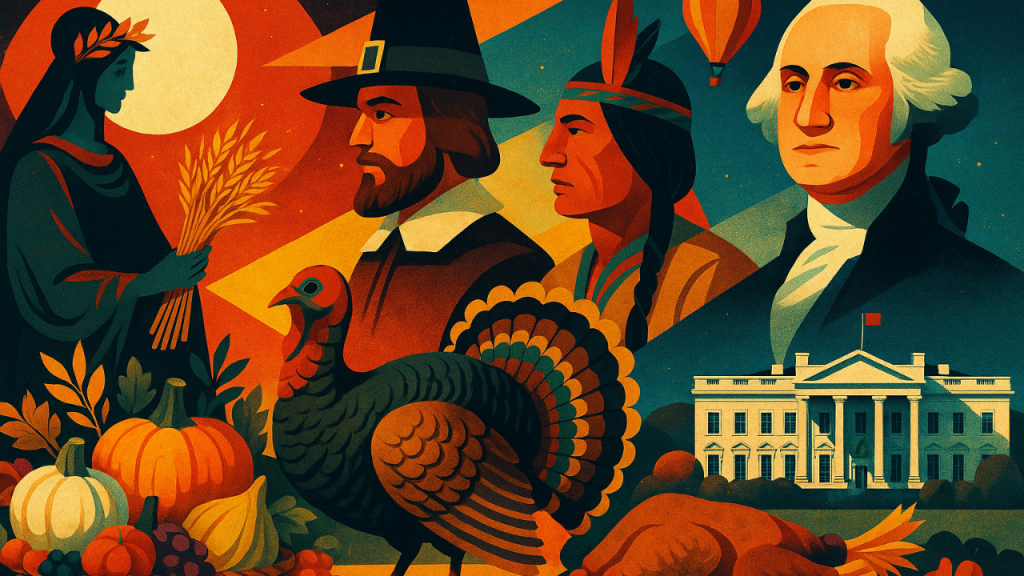
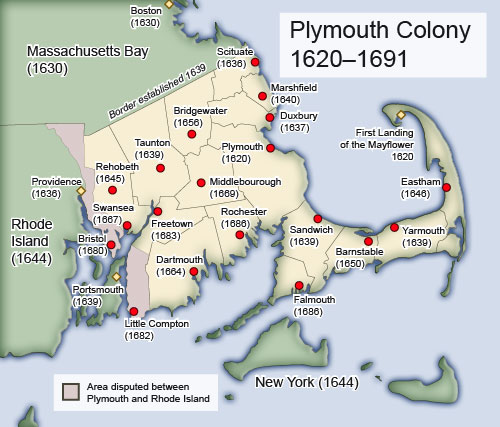
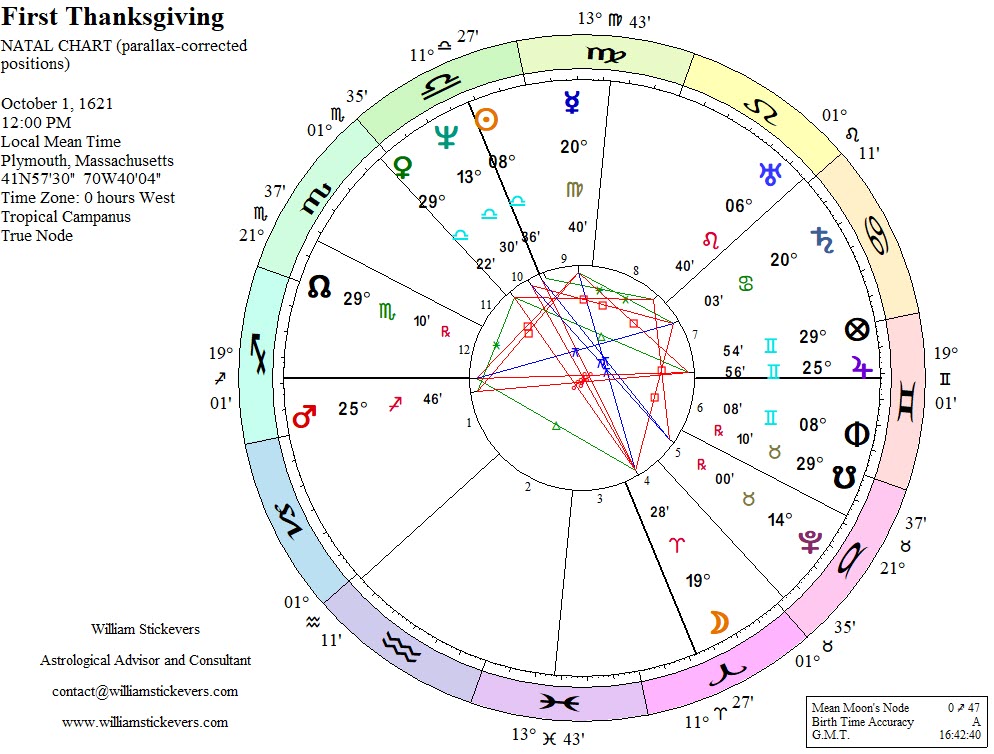
In America, Thanksgiving has traditionally been a celebration of the year’s blessings, especially the harvest. The first American Thanksgiving was celebrated by the Plymouth Plantation settlers after their successful 1621 harvest in present-day Plymouth, Massachusetts.
Pagan and British Harvest Traditions
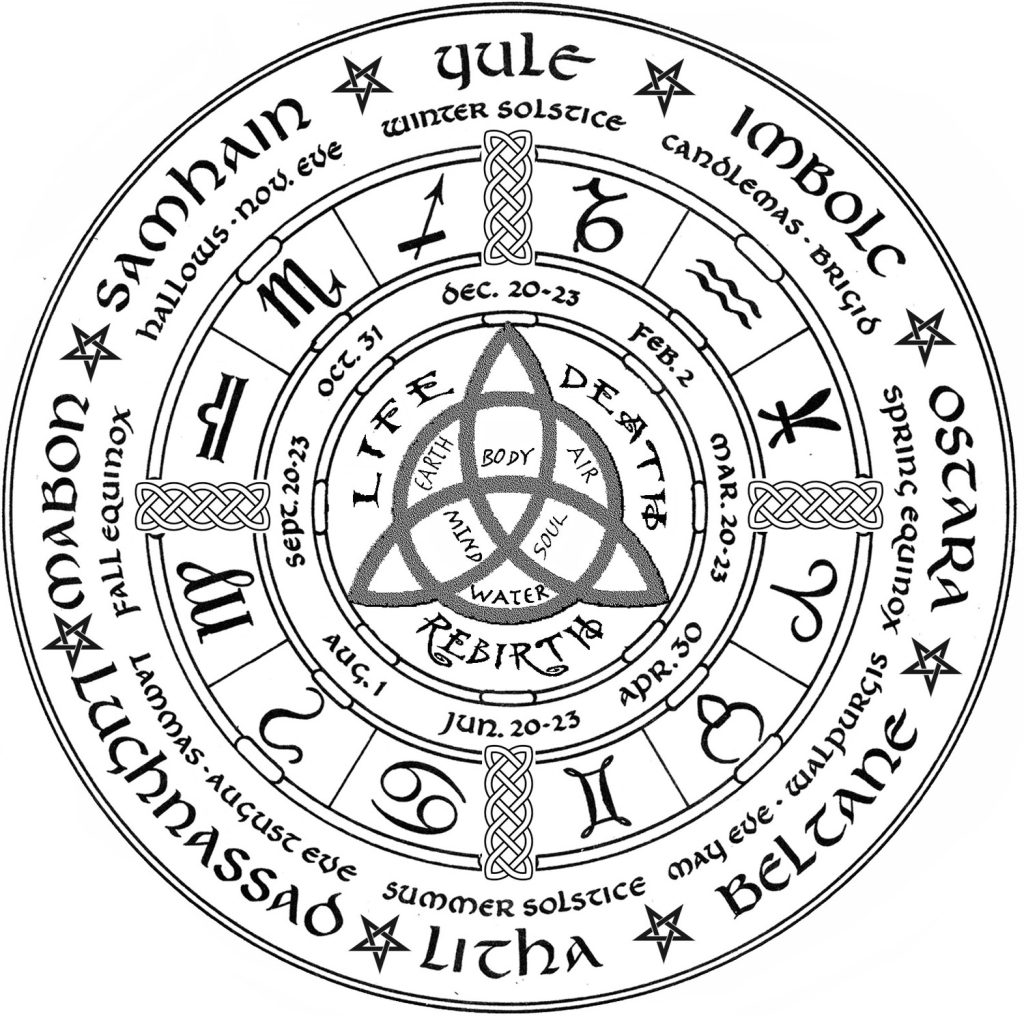
In Britain, the Harvest Festival—originally rooted in pagan traditions—was held on the Sunday closest to the Harvest Moon near the autumn equinox. It echoed the ancient Feast of the Ingathering, known to pagans as Mabon. Mabon was the second of the three Pagan harvest festivals, following Lammas on August 1st and preceding Samhain from October 31st to November 1st.
Samhain (pronounced /ˈsaʊ.ɪn/ SOW-in) was the first and most important of the four quarter days in the medieval Gaelic calendar. Celebrated from October 31st to November 1st in Ireland, Scotland, and the Isle of Man, Samhain marked the end of harvest and the beginning of winter—the darker half of the year.
The Harvest Festival celebrated the fruits and vegetables gathered to sustain people through winter. Many rural churches in Britain decorated with baskets of food, sang hymns, held feasts, and gathered for singing, drinking, and games. The holiday reflected a close connection to the land and the annual agricultural cycle.
The 1621 Plymouth Thanksgiving Feast
Early English settlers carried this tradition to North America in 1621 with the Plymouth feast of thanksgiving. The first celebration took place in early October and was attended by about 103 people: 53 surviving Pilgrims and 50 Native Americans from the Mashpee Wampanoag tribe, including Massasoit and Squanto, who acted as translator.
The three-day feast included waterfowl, turkey, duck, goose, fish, lobster, and five deer provided by the Native Americans. They also enjoyed dried fruit, squash, pumpkin, cranberry sauce, maize, and a wheat pudding.
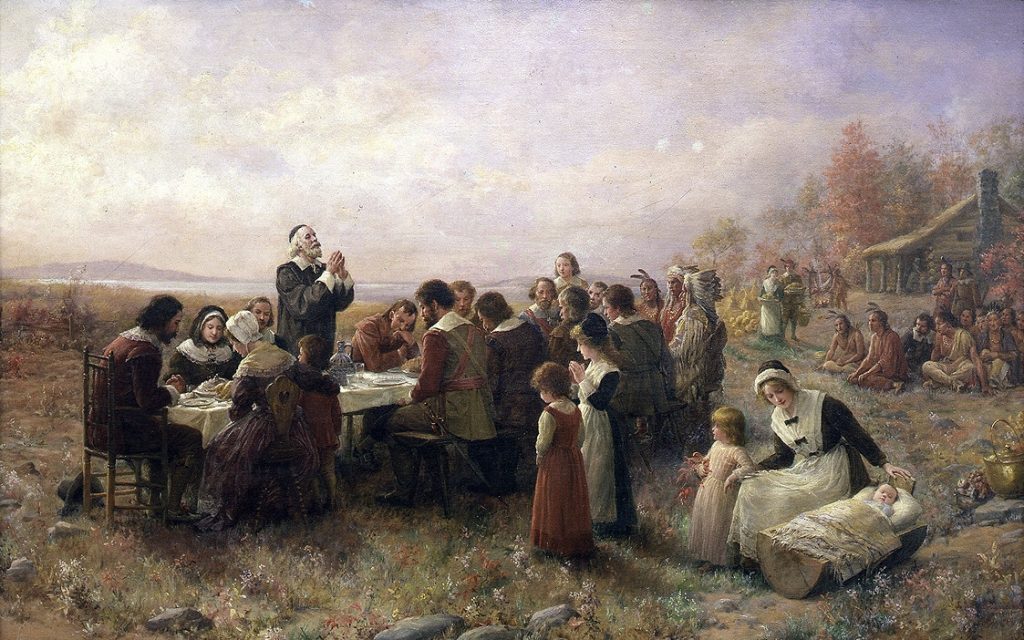
Edward Winslow (October 18, 1595 – May 8, 1655), who traveled on the Mayflower in 1620, was among the group of Pilgrims present at the first Thanksgiving. He describes the scene:
“Our harvest being gotten in, our governor sent four men on fowling, that so we might after a special manner rejoice together after we had gathered the fruit of our labors. They four in one day killed as much fowl as, with a little help beside, served the company almost a week. At which time, amongst other recreations, we exercised our arms, and many of the Indians coming amongst us, and among the rest their greatest king Massasoit, with some ninety men, whom for three days we entertained and feasted, and they went out and killed five deer, which they brought to the plantation and bestowed on our governor, and upon the captain and others. And although it be not always so plentiful as it was at this time with us, yet by the goodness of God, we are so far from want that we often wish you partakers of our plenty.”
From a Single Feast to a National Idea
Despite its significance, the 1621 feast did not immediately become an annual tradition. There is no evidence of another similar celebration within the decade. However, after the establishment of the United States as a Constitutional Republic, President George Washington, on October 3, 1789, enclosed the Thanksgiving Proclamation in his Circular to the Governors of the States, stating:
“I do myself the honor to enclose to your Excellency a Proclamation for a general Thanksgiving which I must request the favor of you to have published and made known in your State in the way and manner that shall be most agreeable to yourself.”
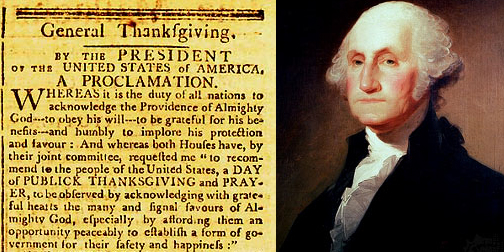
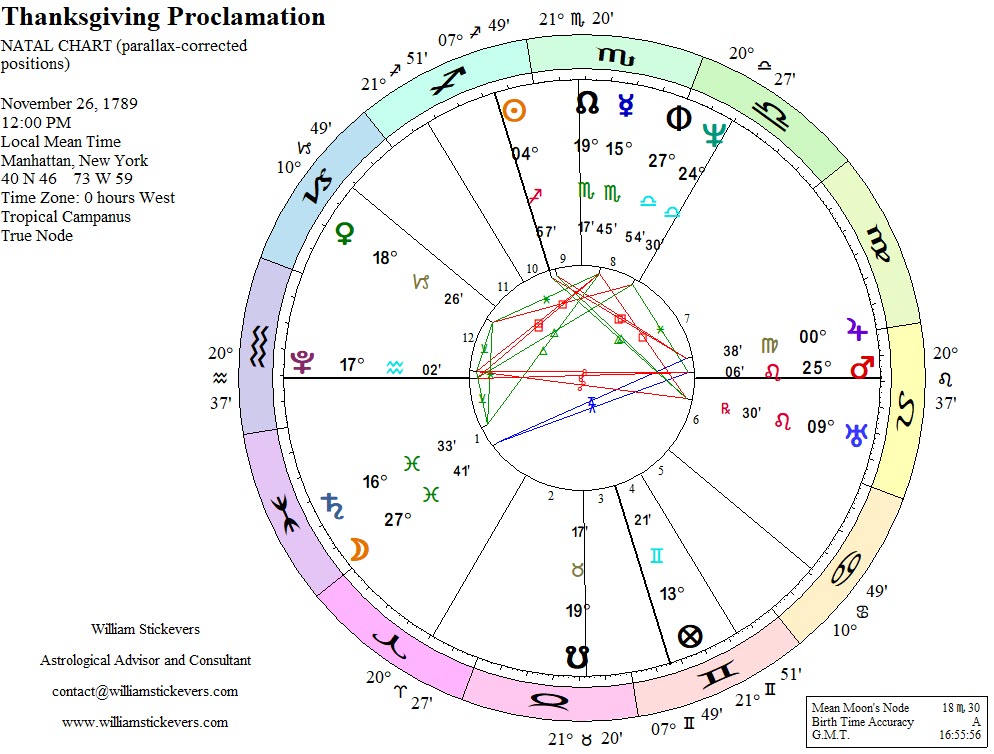
Following Congress’ recommendation, President George Washington issued a proclamation naming Thursday, November 26, 1789 as a day of public thanksgiving, stating, “to be devoted by the People of these States to the service of that great and glorious Being, who is the beneficent Author of all the good that was, that is, or that will be…”
Lincoln Establishes an Annual National Holiday
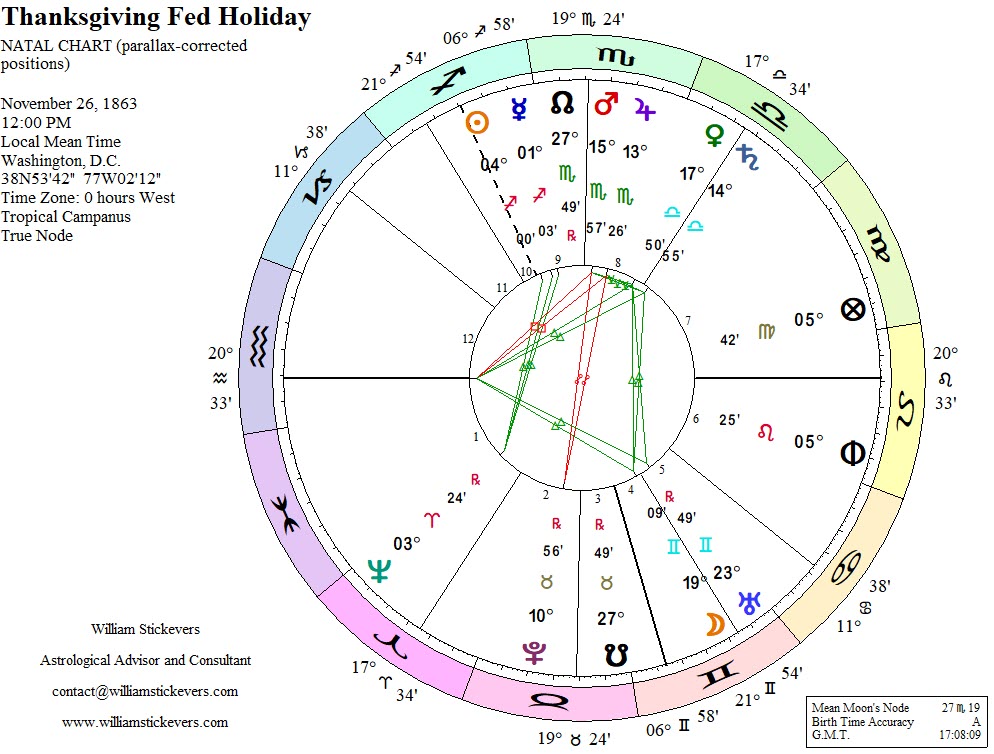
Thanksgiving was celebrated sporadically across the states until 1863, when President Abraham Lincoln—seeking unity during the Civil War—declared the last Thursday in November a national holiday. His proclamation invited Americans to heal the nation’s wounds and restore harmony.
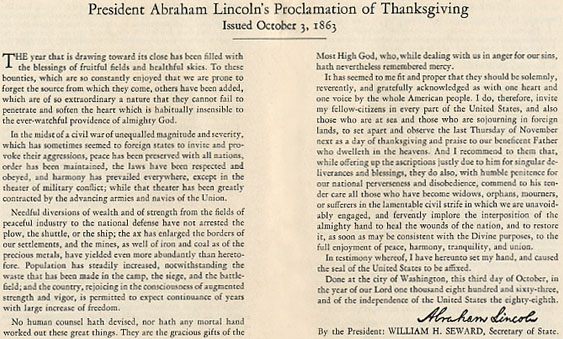
However, because the Confederacy did not recognize Lincoln’s authority, the unified national celebration did not solidify until Reconstruction in the early 1870s.
Thanksgiving in America in the 20th Century
Theodore Roosevelt’s 1902 Holiday Gesture
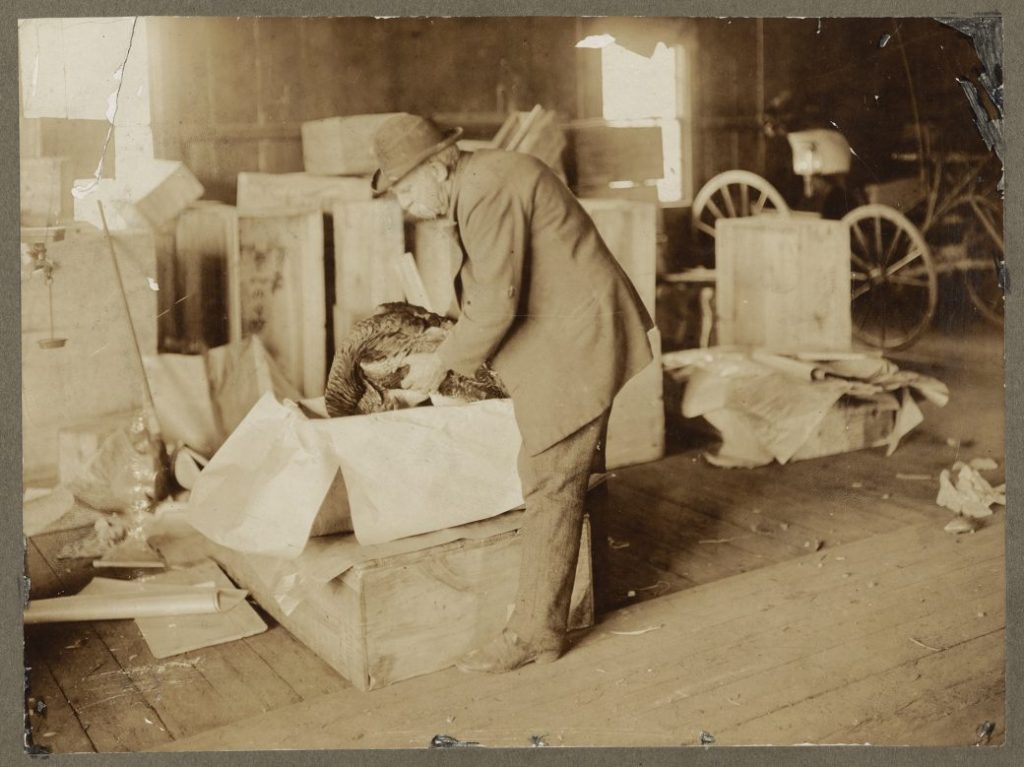
On November 26, 1902, after a vigorous horseback ride with First Lady Edith Roosevelt, President Theodore Roosevelt spent a quiet afternoon at the White House before a Thanksgiving dinner in the State Dining Room. Learning that workmen building the new West Wing could not take the day off, he insisted they be served an early afternoon turkey dinner.
The First Macy’s Thanksgiving Parade
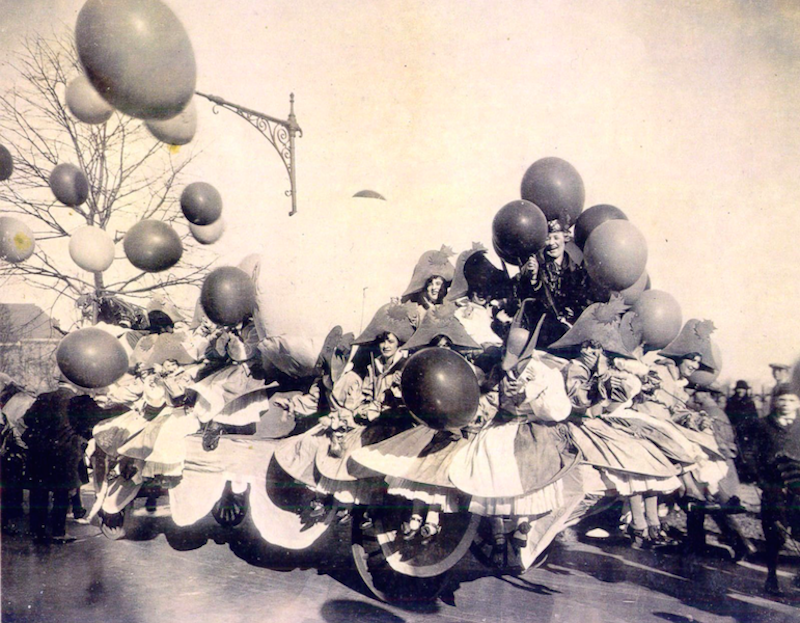
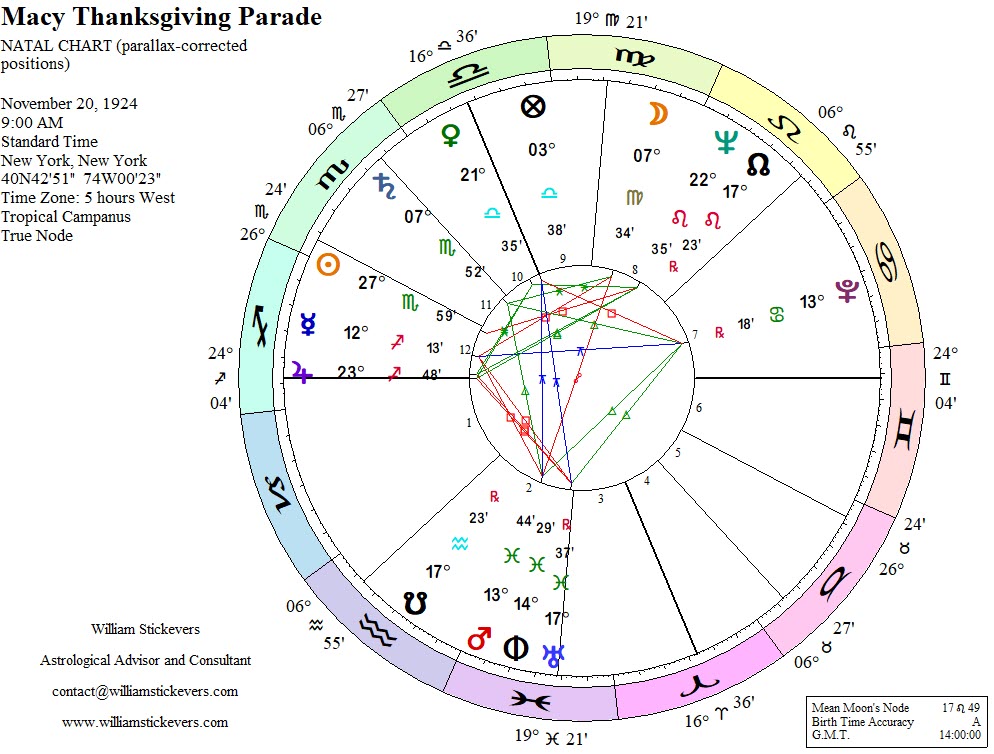
In the 1920s—a period of dramatic economic expansion and social experimentation in America—many of Macy’s department store employees were first-generation European immigrants who quickly reached middle-class status and were proud of their new American identity. Longing for the harvest festivals their families had celebrated in Europe, they helped launch the first Macy’s Thanksgiving Parade in 1924. With over 250,000 spectators, Macy’s immediately announced it would become an annual event.
Calvin Coolidge’s 1927 Radio Address
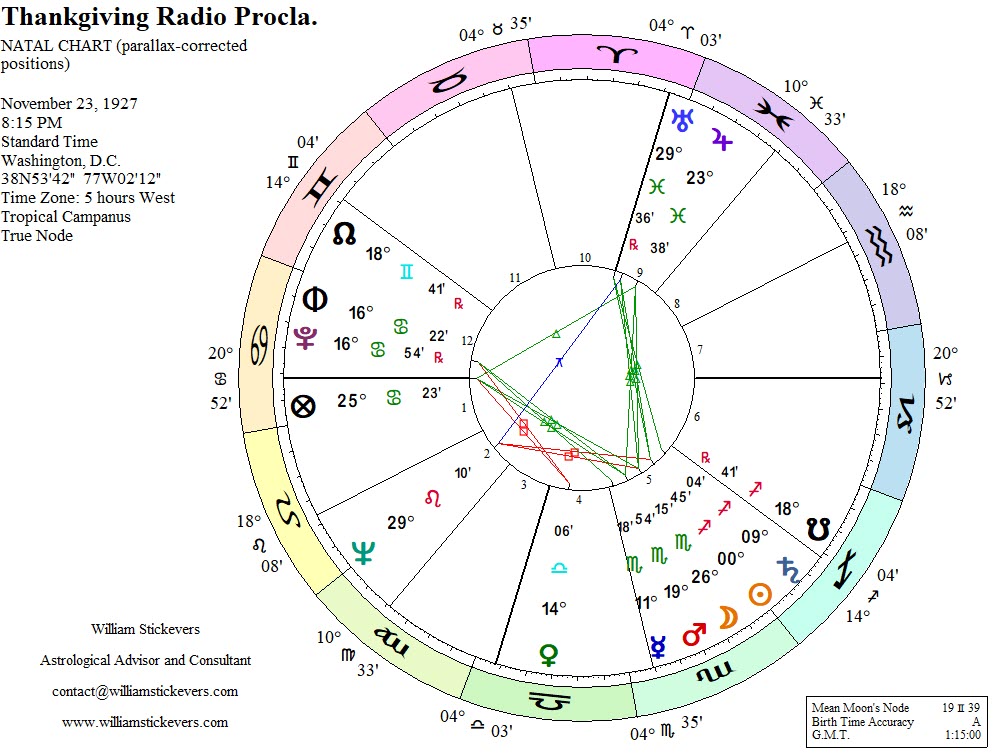
On November 23, 1927, President Calvin Coolidge delivered his Thanksgiving proclamation over the radio to a nationwide audience before an evening program that ended with Mozart’s opera The Magic Flute.
FDR Moves the Holiday to Boost the Economy
During World War II, President Franklin D. Roosevelt signed a joint resolution in 1941 moving Thanksgiving from the last Thursday in November to the third Thursday. The aim was to extend the holiday shopping season and stimulate the wartime economy.
Harry Truman and the Beginning of the Turkey Presentation Tradition
President Harry Truman was the first president to receive a turkey from the Poultry and Egg National Board and National Turkey Federation, beginning a tradition of formal turkey presentations at the White House.
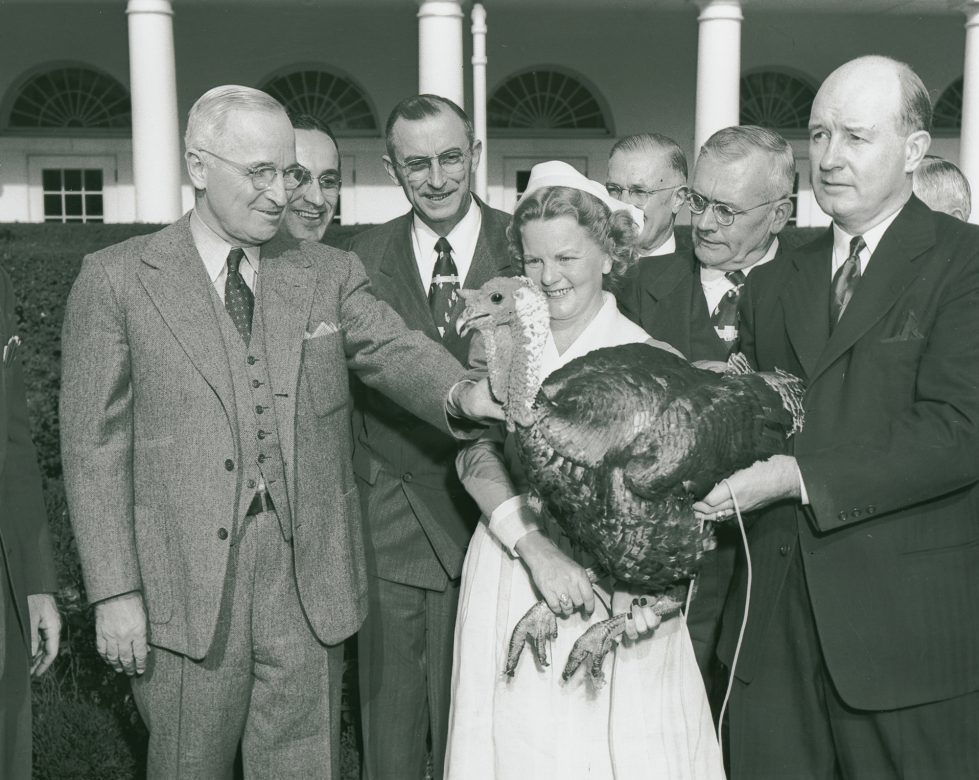
Another turkey was presented in 1947, a 35-pound champion bird gifted by Oregon Senator Wayne Morse. While Truman did not begin the official “turkey pardon,” his administration made these turkey presentations a publicized presidential event.
John F. Kennedy’s 1963 Turkey Reprieve
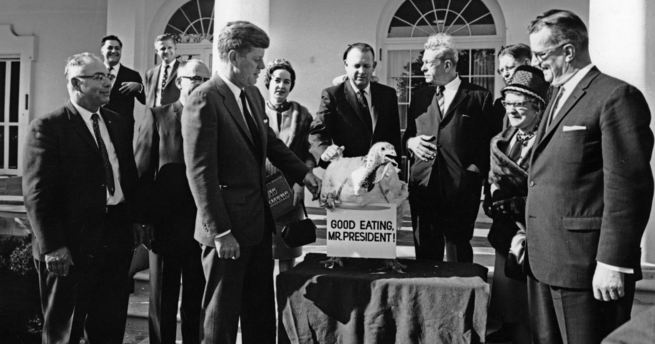
In later years, a 55-pound white turkey with a sign reading “Good Eating, Mr. President!” was given to President John F. Kennedy. Kennedy spared the bird, saying, “We’ll just let this one grow,” and had it returned to its California farm. That year, the Kennedy family planned to spend Thanksgiving at Hyannis Port, Massachusetts—plans that were never realized.
“As we express our gratitude, we must never forget that the highest appreciation is not to utter words, but to live by them.”
President John F. Kennedy
Thanksgiving Day Proclamation, 1963
For nearly four decades, William Stickevers has empowered business leaders, independent thinkers, and visionaries to navigate global shifts and critical turning points with clarity and confidence. His unique blend of astrological techniques, macroeconomic insights, and strategic forecasting equips clients to stay ahead of the curve and thrive in uncertain times. Discover how William’s in-depth forecasts, programs, and astrological consultations can help you make more confident, well-timed decisions, and recognize opportunities others overlook. Visit williamstickevers.com for your strategic advantage in business, finances, and life.
A trends forecaster, William’s annual global forecasts are backed by a deep study of economies, geopolitics, archetypal cosmology, and modern astrological forecasting techniques. William’s predictions for the outcome of the U.S. Midterm and Presidential Elections are well documented on his blog.
William Stickevers is a strategic astrological advisor, advising clients from 28 countries for nearly four decades with strategy and cosmic insight and foresight to gain an asymmetrical advantage in their investing, business planning and decisions, and to live a more fulfilled life according to their soul’s code and calling.
William has been a regular guest on Coast to Coast AM with George Noory and The Jerry Wills Show, and featured on The Unexplained with Howard Hughes, Beyond Reality Radio with Jason Hawes and JV Johnson, We Don’t Die Radio with Sandra Champlain, Supernatural Girlz, Paranormal Podcast, and Alan Steinfeld’s New Realities. An international speaker, William has lectured at the New York Open Center, Edgar Cayce’s Association for Research and Enlightenment (A.R.E.), two Funai Media events in Tokyo, Japan, the United Astrology Conference (2018), for the National Council for Geocosmic Research (NYC, Long Island, New Jersey, San Francisco chapters), American Federation of Astrologers (Los Angeles), the Astrological Society of Connecticut, the San Francisco Astrological Society, and in Europe (Munich and Bucharest) and Japan (Tokyo, Osaka, Yokohama).
More information on Programs, Consultations and Forecast Webinars are at his website www.williamstickevers.com.


